Spatially Variable Genes
Spatially variable genes (SVGs) are genes whose expression patterns vary significantly across different spatial locations within a tissue. Identifying SVGs is a key step in spatial transcriptomics analysis and can reveal biologically meaningful spatial expression patterns, tissue architecture, cell-type niches, or gradients of signaling molecules.
We have implemented PROST, a highly scalable algorithm for SVG detection [1].
Performing SVG analysis
The task can be invoked on any non-normalised node containing spatial data, we recommend filtering cells and genes before running the task. The analysis is species-agnostic.
Select the appropriate node and click on 'Statistics>Spatially Variable Genes'
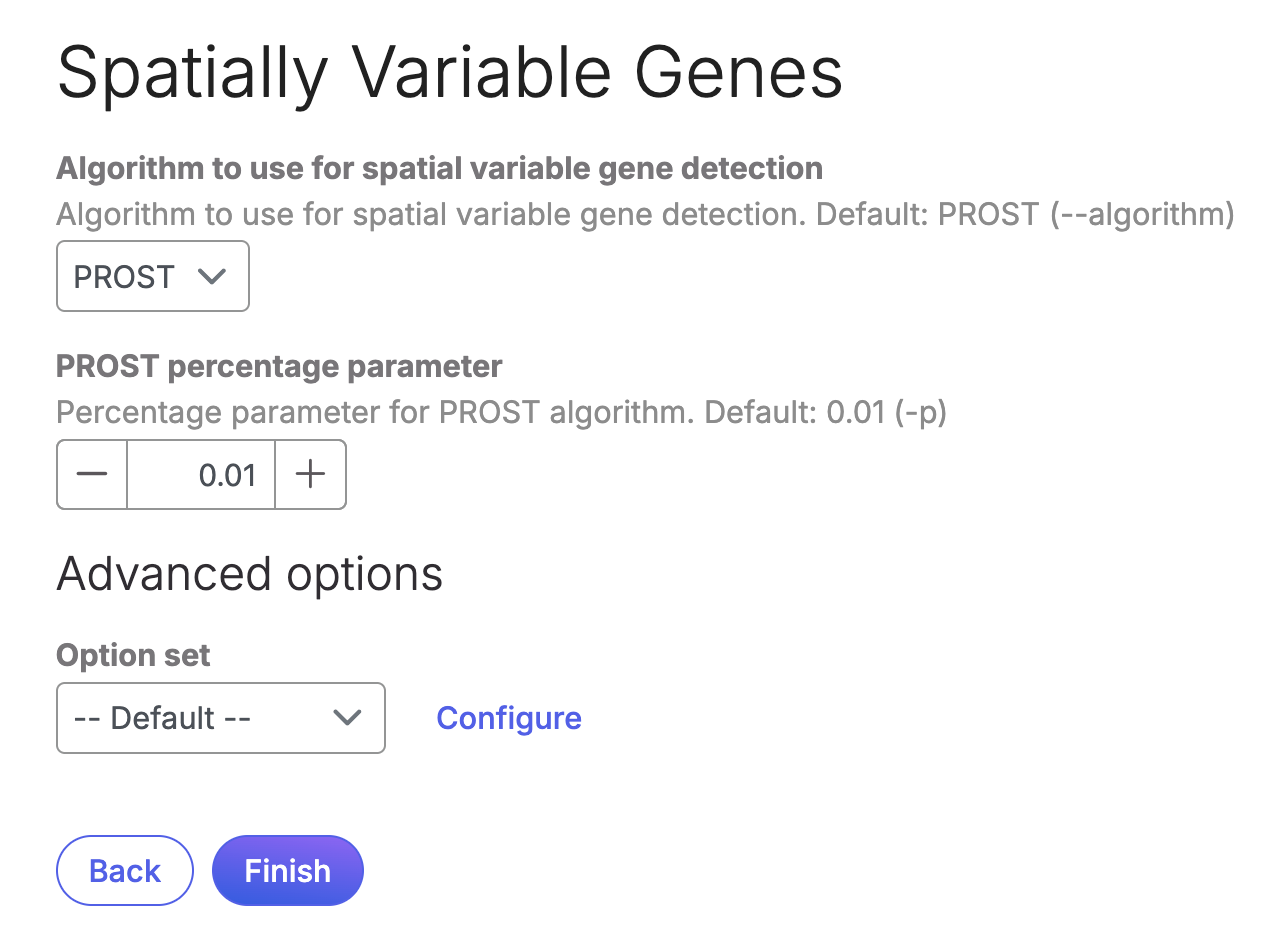
Edit the task settings as necessary:

Note the percentage parameter can be adjusted depending on dataset size, this may affect running times.
Adjust the advanced settings as needed:

We currently recommend using 2,000 HVGs for PROST calculation in order to make the task more scalable on large datasets. This parameter can be increased to include all genes in the data, but may severely affect performance.
Click Finish to run the task.
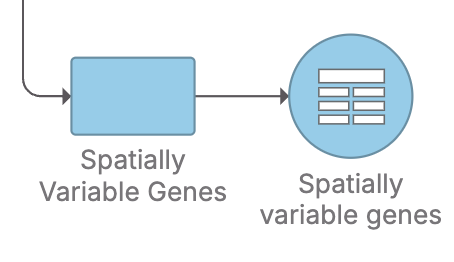
Once the task has completed you will nee a new 'Spatially variable genes' node on the task graph:

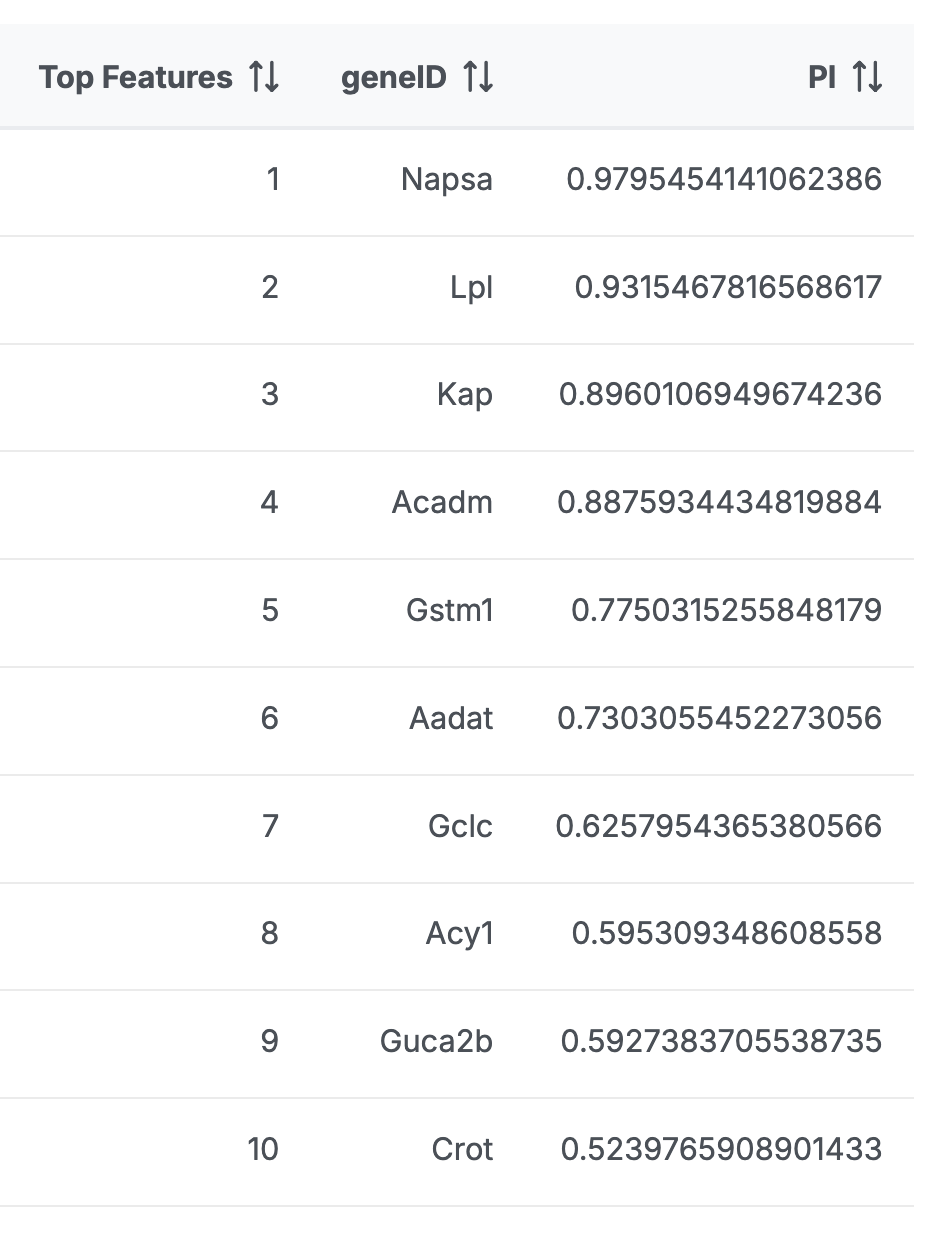
Clicking twice on the node will open the task report, a table of the most significant SVGs identified:

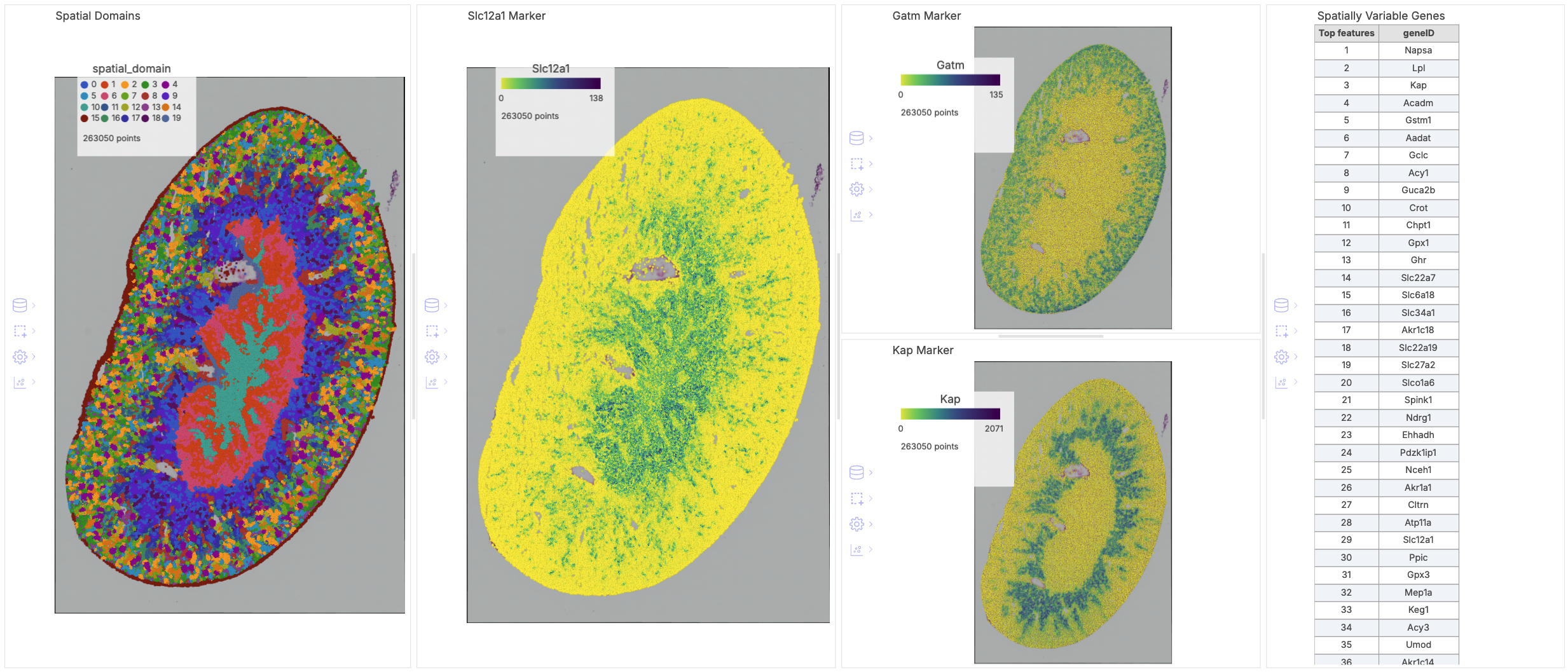
The table contains the genes identified as SVGs and the PROST Index (PI) per feature, an indicator of spatial variability [1]. The results can be downloaded as a table, or visualised in the Data viewer. Here is an example:

References
[1] Liang, Yuchen, et al. "PROST: quantitative identification of spatially variable genes and domain detection in spatial transcriptomics." Nature Communications 15.1 (2024): 600. https://www.nature.com/articles/s41467-024-44835-w
Last updated
Was this helpful?